All Categories
Featured
Table of Contents
Government debt relief programs don't cover all types of debt, but there are other choices that can assist. Here's what you can do if you have debt issues the federal government can't resolve.
These companies include private debt relief business and nonprofit credit therapists. Here are some of the options they might offer: Challenge programs: Many creditors use difficulty programs to assist you get through bumpy rides. These programs might reduce or stop briefly payments, lower interest rates, or waive costs for individuals experiencing monetary difficulty.
Is There a Perfect Time to Start Your Relief Journey?This could lead to significant financial obligation decrease. Credit therapy: A certified credit counselor can help you produce a budget and discover cash management skills if you register in their financial obligation management program. If you have debt issues, begin taking actions to resolve them: Reach out to creditors to ask about hardship programsTalk with a financial obligation relief expert or credit counselor for a complimentary consultationConsider which service best fits your situationAct quickly so you do not construct up more financial obligation or face collection actionsGovernment financial obligation relief programs might become part of the service for you.
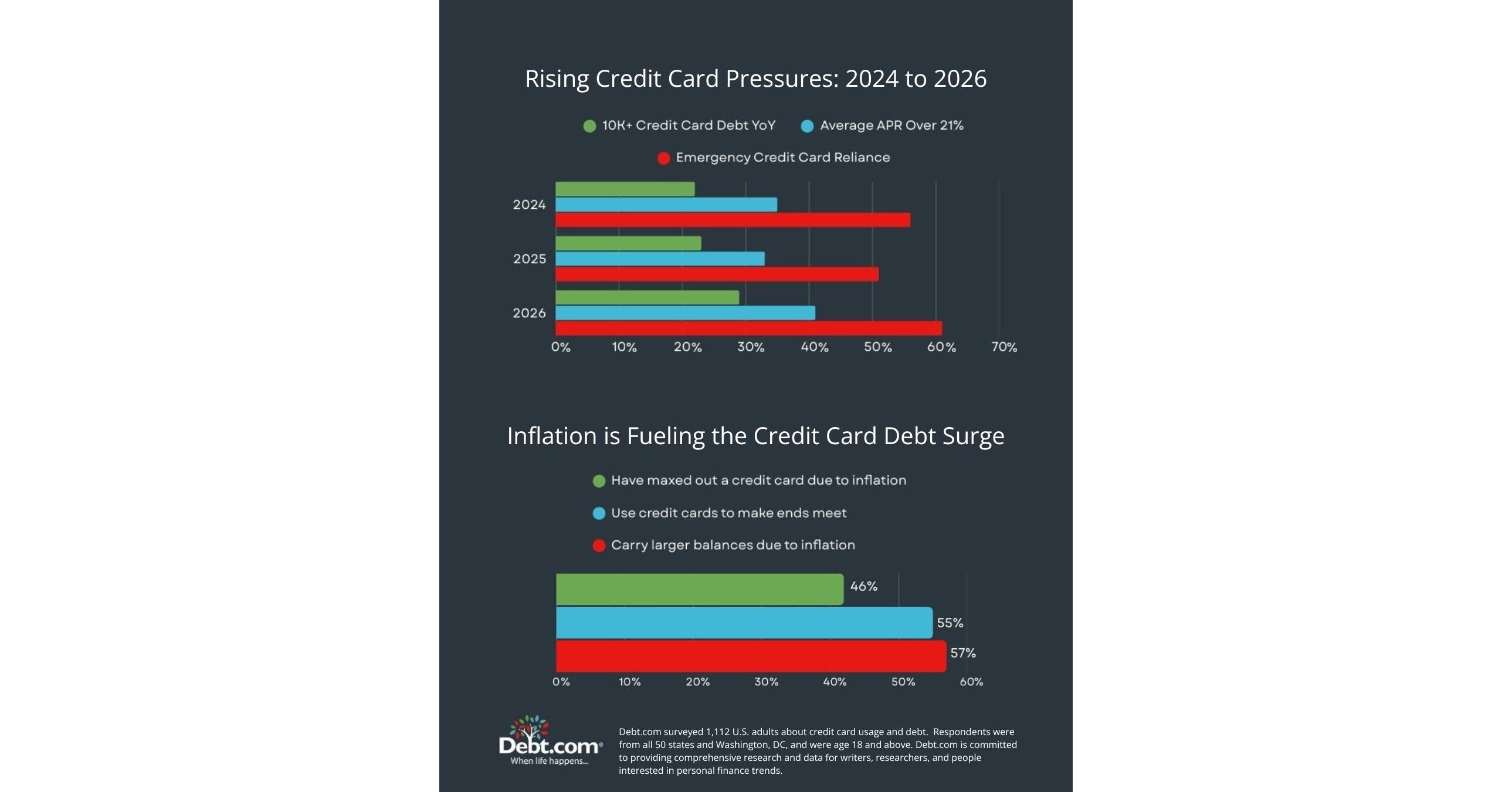
Countless Americans are fighting with charge card financial obligation, and in 2026, some might receive relief through credit card financial obligation forgiveness programs. These initiatives, provided by major credit card providers and monetary organizations, are designed to assist qualified customers lower or get rid of impressive balances under specific conditions. Eligibility for charge card debt forgiveness normally depends upon a number of key aspects:: People experiencing substantial monetary challenges, such as job loss, medical emergency situations, or unforeseen family costs, may qualify.
How Rate Hikes Change the Debt Forgiveness Landscape
Lenders may provide a settlement where a part of the financial obligation is forgiven in exchange for a lump-sum payment or a structured payment plan.: Some programs need proactive engagement with the credit card company. Consumers might work with a monetary counselor or directly with the creditor to work out a settlement quantity that is lower than the total balance owed.
Proven Tips to Handle 2026 Financial Hardship
This frequently needs careful budgeting to guarantee the settlement can be satisfied completely.-: Structured payment programs coordinated by credit therapy companies may include forgiveness provisions if the consumer successfully finishes the plan on time.-: Some issuers offer temporary reductions in rate of interest, waived costs, or partial financial obligation forgiveness to account holders experiencing monetary hardship.
Economists suggest that anyone considering credit card debt forgiveness first examine their monetary circumstance, interact straight with their creditor or a reputable therapy service, and comprehend both the short-term and long-lasting effects. With careful planning and confirmation, eligible Americans can take benefit of these programs in 2026 to lower monetary stress and work towards long-lasting monetary stability.
You've seen the ads promising to cut your debt in half. You've read Reddit cautions about companies that charge upfront fees and vanish. Here are the legitimate debt relief programs that rank highestand how to choose in between settlement and credit therapy. Not all financial obligation relief programs fit all scenarios. Here's how to tell which one matches your challenge level: Financial obligation consolidation loanNonePay 100%, better termsGood credit, stable earnings, just need to simplifyCredit counseling (DMP)Mild/ModeratePay 100%, lower interestCurrent on payments, can manage reduced ratesDebt settlementSignificantPay less than 100%Currently behind, can't pay for minimumsBankruptcySevereLegal discharge/restructureOverwhelmed, creditors taking legal action against, no other option You're already behind on payments by 90+ daysYou can't manage minimum payments even with lower interestYou're dealing with considerable financial difficulty (job loss, medical emergency situation, divorce)Your credit is currently harmed from missed out on paymentsYou can conserve $200-$500/month towards settlements You're existing on payments or just somewhat behindYou have steady income to cover a month-to-month paymentYou wish to avoid major credit damageYou can afford to repay 100% if interest is loweredYou need 3-5 years to settle debt Ask yourself: Can I afford my minimum payments if rate of interest were cut to 0-8%? Yes Credit counseling could workNo You likely require settlement or bankruptcyFor a complete comparison of all financial obligation relief options, see our debt relief programs guide.
Economists recommend that anyone considering charge card debt forgiveness initially examine their monetary circumstance, interact straight with their financial institution or a respectable therapy service, and understand both the short-term and long-term repercussions. With careful planning and confirmation, eligible Americans can take benefit of these programs in 2026 to lower financial stress and pursue long-term financial stability.
2026 Guide to Effective Debt Resolution
Here are the legitimate financial obligation relief programs that rank highestand how to decide in between settlement and credit therapy. Not all financial obligation relief programs fit all scenarios. Here's how to inform which one matches your difficulty level: Financial obligation consolidation loanNonePay 100%, better termsGood credit, consistent income, simply need to simplifyCredit counseling (DMP)Mild/ModeratePay 100%, lower interestCurrent on payments, can manage minimized ratesDebt settlementSignificantPay less than 100%Currently behind, can't afford minimumsBankruptcySevereLegal discharge/restructureOverwhelmed, financial institutions taking legal action against, no other option You're currently behind on payments by 90+ daysYou can't afford minimum payments even with lower interestYou're facing considerable monetary hardship (task loss, medical emergency, divorce)Your credit is already harmed from missed paymentsYou can save $200-$500/month towards settlements You're current on payments or only a little behindYou have steady income to cover a monthly paymentYou want to prevent major credit damageYou can afford to pay back 100% if interest is loweredYou require 3-5 years to pay off debt Ask yourself: Can I afford my minimum payments if interest rates were cut to 0-8%?

Latest Posts
Effective 2026 Credit Relief Programs for Families
Effective Debt Management for Struggling Families
Will Debt Consolidation the Best Choice in 2026?